

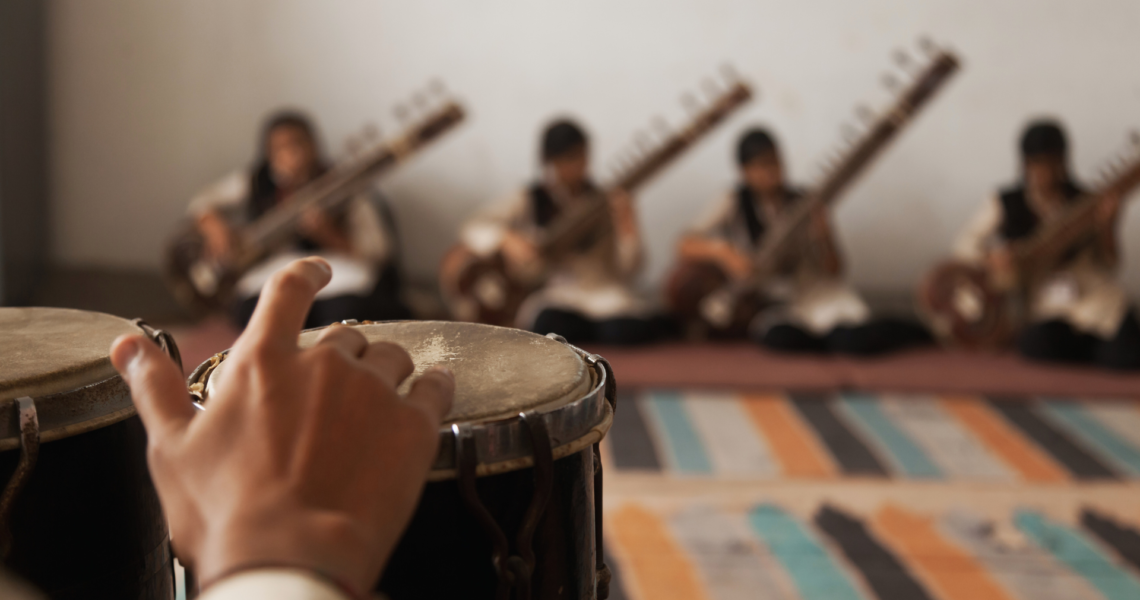
Classical music, with its rich and diverse history, has evolved significantly from the medieval period through the modern era. The history of classical music encompasses a variety of styles and movements, reflecting cultural, social, and technological changes across centuries. From the sacred chants of the early church to the intricate compositions of the Baroque, Classical, and Romantic periods, each era has contributed to the genre’s complexity.
As composers like Bach, Mozart, and Beethoven pushed the boundaries of musical expression, they established trends that continue to influence artists today. The shift from polyphony to homophony marked a pivotal change, allowing for more emotional depth and clarity in music. Understanding these developments offers valuable insight into how classical music shaped Western culture and remains relevant in contemporary society.
Listeners can appreciate not only the aesthetic beauty of classical works but also the historical context that gave rise to them. Each piece tells a story of its time, providing a unique lens through which to explore the interplay between music and history. This exploration invites readers to engage with classical music on a deeper level, enhancing their listening experience.
Origins and Development
Classical music has a rich history that traces back to the medieval period, evolving significantly through the Renaissance and Baroque eras. Each period introduced innovative techniques and styles that shaped the foundation of Western music.
Medieval Music Tradition
The Medieval period, spanning roughly from the 5th to the late 15th century, was characterized by the emergence of Gregorian chant. This form of plainchant was central to the liturgical practices of the Church and featured monophonic textures.
Musicians began to explore notation systems, enabling the preservation and transmission of music. Early polyphony emerged towards the end of this period, adding multiple melodic lines to enhance texture. Notable figures included composers like Léonin and Pérotin, who contributed to the development of organum, a form of early polyphonic music.
Renaissance: The Flourishing of Polyphony
The Renaissance period (approximately 1400-1600) marked a significant flourishing of polyphony. Composers such as Giovanni Pierluigi da Palestrina refined choral music, creating intricate counterpoint and harmony.
Vocal music dominated in this era, but the use of instruments also expanded. Instruments like the lute and early viol contributed to the development of instrumental music. Composers explored secular themes, creating madrigals and chansons that showcased individual expression and emotional depth.
Baroque Era Innovations
The Baroque period (1600-1750) introduced dramatic changes, particularly in instrumentation and musical style. The violin became a prominent instrument, playing a key role in orchestras.
Claudio Monteverdi is noted for bridging the Renaissance and Baroque styles with his operatic works, while Antonio Vivaldi’s concertos showcased virtuosic violin techniques. The harpsichord became central to Baroque music, symbolizing the era’s fascination with embellishment and ornamentation. This period also emphasized contrast, leading to the emergence of new forms such as the sonata and the oratorio.
Golden Age of Classical Music
The Golden Age of Classical Music spans the Classical and Romantic periods, marked by significant developments in musical forms, emotional expression, and the rise of renowned composers. These eras cultivated distinct styles and refined instruments, influencing generations of musicians.
Classical Period: Form and Elegance
The Classical period, roughly from 1730 to 1820, is known for its emphasis on clarity and balance. Key forms such as the symphony, sonata, and string quartet became prominent.
Composers like Wolfgang Amadeus Mozart, Joseph Haydn, and Johann Sebastian Bach played crucial roles in shaping this era.
- Sonata form structured the first movements of many compositions, focusing on thematic development.
- Elegant melodies and cohesive structures defined the style, promoting accessibility and enjoyment.
Mozart’s operas and symphonies exemplify these traits, showcasing his melodic genius. Haydn’s contributions to the string quartet elevated chamber music, while Bach’s influence persisted through complex counterpoint.
Romantic Period: Expression and Virtuosity
The Romantic period, spanning the 19th century, prioritized individual expression and emotion in music. Composers sought to convey deep feelings and personal experiences through their works.
Notable figures include Ludwig van Beethoven, whose compositions bridged the Classical and Romantic styles, and Franz Liszt, celebrated for his virtuosic piano performances.
- Concertos became more dramatic, showcasing soloists with vibrant orchestral support.
- Romantic music often featured rich harmonies and expanded forms, pushing compositional boundaries.
Richard Wagner revolutionized opera with his concept of Gesamtkunstwerk, or total artwork, integrating music, drama, and visual elements. This period solidified the foundation for modern musical expression, emphasizing the emotional capacity of music.
Evolution and Expansion
The transition from Romanticism to Modernism marked a significant evolution in classical music. This period saw composers exploring new techniques and forms, leading to a broad expansion in styles and genres.
From Romanticism to Modernism
Romanticism, characterized by expressive melodies and emotional depth, paved the way for modern innovations. Composers like Richard Strauss pushed boundaries, blending rich harmonies with intricate orchestration. The late 19th and early 20th centuries witnessed the rise of atonality, a departure from traditional tonal frameworks.
Arnold Schoenberg’s development of serialism introduced a method of composition based on a series of pitches, further transforming the musical landscape. The shift in focus allowed for experimentation in orchestral and chamber music, as composers sought to challenge and redefine the listener’s experience.
The Contemporary Classical Landscape
Today’s classical music reflects a diverse array of influences. Following modernism, genres continue to evolve, incorporating elements from various traditions. Composers navigate between bel canto techniques and postmodern styles, crafting unique sound worlds.
Contemporary composers often blend acoustic and electronic elements, pushing conventional boundaries. The exploration of minimalist and microtonal music also contributes to a vibrant landscape. Modern orchestras and ensembles frequently perform works that challenge existing norms, engaging audiences in innovative ways. This ongoing evolution emphasizes the adaptability of classical music in a rapidly changing cultural environment.