

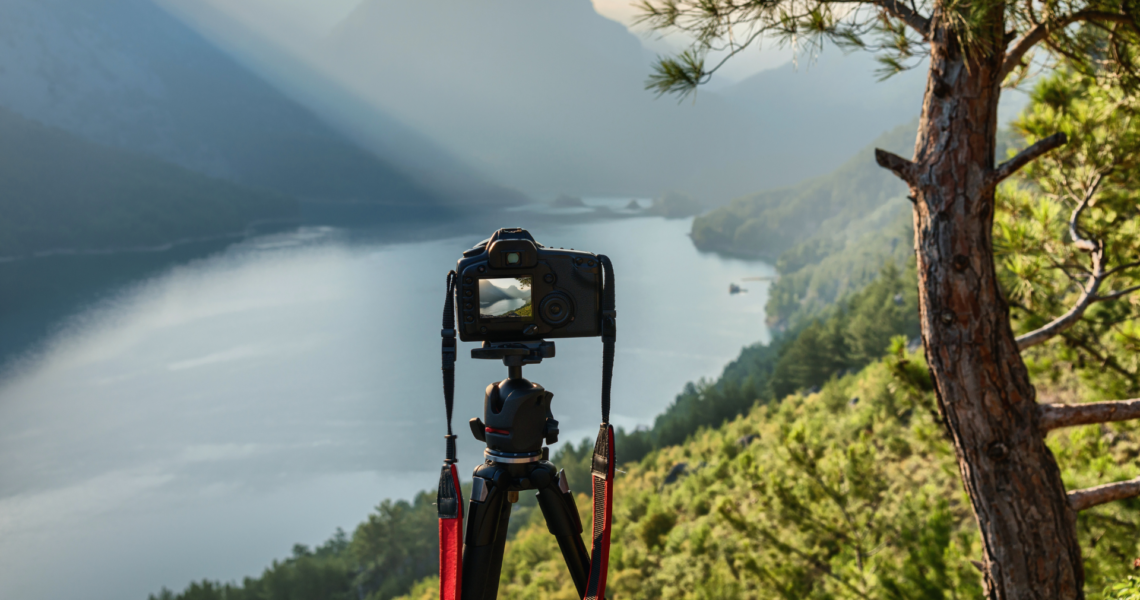
Travel photography is an art that captures moments, landscapes, and cultures, allowing the viewer to experience places through the photographer’s lens. To excel in travel photography, he or she must master both the technical aspects of their camera and the ability to connect with their surroundings. This blend of skill and connection transforms simple snapshots into evocative images that tell compelling stories.
Understanding light, composition, and timing is crucial for anyone looking to improve their travel photography skills. Professionals often advise utilizing the golden hour—just after sunrise or before sunset—to achieve the best lighting conditions. The right gear is also essential; a versatile lens and a sturdy tripod can make significant differences in image quality and creativity.
Moreover, immersing oneself in the local culture can lead to unique perspectives and opportunities. Engaging with locals, exploring off-the-beaten-path destinations, and being open to spontaneous moments enrich the photographic experience. Mastering these tips can elevate a photographer’s work from typical travel photos to stunning visual narratives.
Understanding Your Equipment
Having the right equipment is crucial for travel photography. This section highlights important aspects like selecting a suitable camera, essential photography gear, and the importance of knowing one’s camera.
Choosing the Right Camera
Selecting the best camera depends on the travel photographer’s needs. DSLR cameras and mirrorless cameras are popular choices due to their image quality and versatility.
- DSLR cameras: Offer optical viewfinders and extensive lens options, ideal for various shooting situations, including low light.
- Mirrorless cameras: Tend to be lighter and more compact, making them suitable for travelers focusing on minimizing gear weight.
When deciding, consider factors like ease of use, lens availability, and the type of photography they intend to pursue.
Essential Photography Gear
Besides the camera, vital photography gear can enhance the travel photographer’s experience. They should consider investing in:
- Lenses: A good zoom lens provides flexibility for various scenes without needing to change lenses frequently.
- Lightweight tripod: Essential for long exposures and stable shots, especially in low-light conditions.
- Camera bag: A protective and organized bag is crucial for carrying gear securely.
Additional accessories, like extra batteries and memory cards, are also necessary to avoid interruptions during shoots.
Knowing Your Camera
Understanding camera settings is fundamental for capturing the best travel photos. Familiarity improves a photographer’s ability to adapt to changing environments.
Key settings to master include:
- Shutter speed: Essential for freezing motion or blurring movement.
- Aperture: Influences depth of field and how much light enters the lens.
- ISO: Adjusts sensitivity to light, crucial for low-light conditions.
Travelers should take the time to practice these settings before departing to ensure they can utilize their equipment effectively while on the go.
Composition and Technique
Effective travel photography hinges on strong compositional skills and the ability to utilize lighting effectively. By mastering these elements, photographers can create visually compelling images that resonate with viewers.
The Art of Framing
Framing an image can enhance its composition significantly. Photographers can use natural elements like trees or doorways to frame a subject, creating depth and focus. The Rule of Thirds is another fundamental technique. Dividing the image into thirds, both horizontally and vertically, allows placing points of interest at the intersections. This draws the viewer’s eye into the photograph naturally.
Photographers should also experiment with leading lines. These can guide the viewer’s gaze through the photo, creating a sense of movement. Additionally, thinking outside the box with unconventional angles can lead to unique perspectives that elevate the image.
Working with Natural Light
Lighting profoundly affects the mood and quality of photographs. The golden hour, occurring shortly after sunrise and before sunset, provides soft, warm light that enhances colors and textures. This time is ideal for capturing landscapes and portraits alike.
Alternatively, the blue hour, occurring before sunrise and after sunset, offers a cool, serene atmosphere. This can be particularly effective for urban photography where artificial lights contrast against the deep blue sky. Photographers must be mindful of shadows and highlights, adjusting their positions to maximize the impact of the available light.
Capturing the Moment
Candid moments often convey the essence of travel experiences. Photographers should stay alert and ready to capture spontaneous interactions or emotions. Integrating the human element into photographs tells a story and provides context to the scenes.
Using a fast shutter speed can help freeze these fleeting moments in time. This technique is crucial for dynamic environments where movement is prevalent. Additionally, employing continuous shooting mode allows capturing a series of images, ensuring that the perfect shot is not missed. Engaging directly with subjects can also facilitate capturing authentic emotions, enriching the visual narrative.
Diverse Photography Styles
Travel photography encompasses various styles, each offering unique perspectives and storytelling opportunities. From street scenes that capture everyday life to breathtaking landscapes and intricate architectural details, these styles enable photographers to convey cultural narratives and experiences.
Exploring Street and Documentary Photography
Street photography thrives on spontaneity and the essence of urban life. Photographers should aim to capture candid moments that reflect culture and society. Using a smaller camera can enhance mobility and facilitate unobtrusive captures.
Documentary photography tells stories through images, often addressing social issues or historical contexts. To excel, photographers must engage with their subjects and immerse themselves in the environment. This style promotes empathy and fosters connections, making it essential for anyone wanting to showcase human experiences.
Delving into Landscape and Wildlife
Landscape photography focuses on natural vistas, conveying the beauty of the environment. To achieve stunning images, photographers should experiment with different angles and perspectives, capturing the interplay of light and shadow. Golden hours—early morning or late afternoon—offer the best lighting conditions.
Wildlife photography demands patience and a deep understanding of animal behavior. Photographers must respect wildlife and their habitats to ensure ethical practices. Key techniques include using a telephoto lens for close-ups and remaining quiet to avoid disturbing animals. This genre not only aims for beautiful images but also raises awareness about conservation.
Architectural and Astrophotography Insights
Architectural photography captures the design and aesthetics of buildings. Successful photographers focus on lines, shapes, and symmetries. They should consider the surrounding environment and how it complements the architecture. Experimenting with perspectives can yield distinctive images.
Astrophotography allows photographers to explore the cosmos, capturing celestial events and star trails. This style requires specialized equipment, such as a sturdy tripod and wide-angle lenses. Careful attention to exposure settings is vital in low-light conditions. Timing and location are crucial for clear images of the night sky.
Post-Processing and Sharing
Post-processing is essential for enhancing travel photographs and conveying stories through imagery. Techniques in editing can transform a good shot into a memorable one, while sharing platforms allow photographers to connect with audiences effectively.
Photo Editing and Enhancement
Editing tools can significantly improve the quality of travel images. Software like Adobe Lightroom and Photoshop offers various functionalities.
Key editing steps include:
- Exposure Adjustment: Correct brightness to highlight details.
- Color Correction: Adjust hues to reflect true colors.
- Cropping: Frame images to improve composition and focus.
- Sharpening: Enhance details, making images crisp.
Filters can add unique styles, but moderation is crucial. Over-editing may distort the original essence of a photograph. It’s vital to maintain authenticity while enhancing the visual appeal.
Storytelling through Photos
Every photograph can tell a story. The choice of subject matter, composition, and mood all contribute to narrative depth.
To create compelling stories through travel images:
- Capture Emotions: Focus on candid moments that evoke feelings.
- Include Context: Incorporate elements of the environment to add depth.
- Sequence: Arrange images thoughtfully to guide viewers through a journey.
Use captions effectively to enrich the story behind the images, providing context or personal experiences. This approach can engage audiences more deeply and create connections that resonate.