

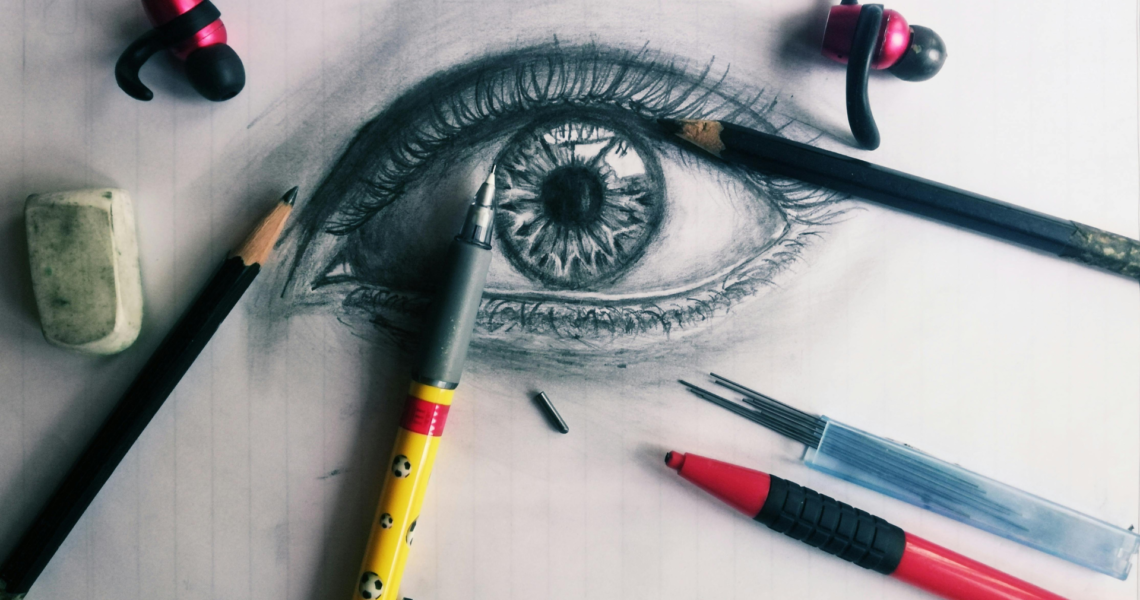
Mastering shading is essential for creating realistic drawings that captivate viewers. By understanding light sources, practicing various techniques, and studying forms, an artist can achieve depth and dimension in their work. This foundational skill sets the stage for more advanced rendering and enhances the overall quality of the artwork.
Many artists struggle with shading, often producing flat or lifeless images. Exploring different tools and methods can unleash creativity and improve technique. By experimenting with pencils, blending tools, and even digital programs, artists can discover what works best for their style while gaining confidence in their shading abilities.
The journey to mastering shading requires patience and practice. Each artist’s path is unique, but the principles remain the same. With dedication and the right approach, anyone can elevate their art through effective shading techniques.
Understanding Light and Shadow
Mastering light and shadow is essential for creating realistic drawings. Light influences how objects appear, affecting their form and structure. This section explores the role of light sources, the fundamentals of highlights and shadows, and techniques for creating depth and dimension in artwork.
The Role of Light Source
The light source is crucial in determining the appearance of objects in a drawing. Different types of light sources—such as natural sunlight, incandescent bulbs, or fluorescent lights—have distinct characteristics.
- Direction of Light: The angle at which light strikes an object affects shadow placement and intensity.
- Intensity: Bright light produces stark shadows and pronounced highlights, while softer light creates gentler contrasts.
Understanding these aspects allows artists to depict realism more effectively. Observing how light interacts with various surfaces enhances the three-dimensionality of forms.
Highlights and Shadows Basics
Highlights and shadows are fundamental elements that provide contrast and definition.
- Highlights: These are the brightest parts of an object where light directly hits its surface. They create a sense of gloss and texture.
- Shadows: Shadows appear in areas not reached by light, enhancing depth. They can be cast shadows (created by nearby objects) or form shadows (areas not illuminated on the object itself).
Artists should focus on the gradation between full light and heavy shadow, as this transition establishes realism. Correctly representing highlights and shadows contributes to an object’s perceived volume and weight.
Creating Depth and Dimension
Creating depth requires an understanding of reflected light and its role in enhancing realism.
- Reflected Light: Light bouncing off nearby surfaces can illuminate shadow areas, adding complexity.
- Contrast: Strong contrast between light and shadow fosters a sense of volume.
Using layers of shading, artists can increase the dimensionality of an object. Techniques like cross-hatching, stippling, or smooth gradients help in rendering shadows effectively.
Addressing light and shadow with precision enables artwork that feels tangible and engaging.
Mastering Shading Techniques
Effective shading techniques are essential for achieving realism in drawings. Mastering these methods helps artists create depth, form, and texture, elevating the quality of their artwork. Here are three key techniques used in realistic shading.
Hatching and Cross-Hatching
Hatching involves drawing closely spaced parallel lines. The density and direction of these lines influence the perceived darkness or lightness of an area. Lighter areas require fewer lines, while darker sections need more lines closely packed together.
Cross-hatching builds on this by layering perpendicular lines. This technique allows for more complex shading and richer textures. Artists can adjust the angles and spacing of lines to enhance the illusion of volume.
Tip: Use a sharp pencil for clean lines. Experiment with line width and angle for varied effects in shading, achieving both subtlety and depth.
Blending for Smooth Transitions
Blending creates soft transitions between light and dark areas. This is crucial for depicting smooth surfaces, such as skin or metal. Various blending tools, including tortillons and blending stumps, assist in this technique.
To blend effectively, artists should apply gentle pressure with these tools. Building up layers of graphite or charcoal gradually creates a more natural transition. Over-blending can lead to loss of texture, so it’s important to maintain some contrast.
Technique: Start with light pressure and gradually increase as you blend. Test different tools to see which fits your style best.
Stippling and Scumbling
Stippling uses small dots to create texture and shading. Varying the density of the dots controls the depth of the shadow. This technique is precise and allows for great control over the shading.
Scumbling employs loose, scribbled lines to create a rich texture. This method is effective for depicting organic forms, like foliage or fur. The randomness of the lines gives a dynamic quality to the artwork.
Advice: Combine stippling and scumbling for interesting textures. Practice on different surfaces to see how the materials interact and yield various effects.
Choosing the Right Materials
Selecting appropriate materials is crucial for achieving realistic shading in drawings. The right combination of paper, graphite or charcoal, and erasers can significantly impact the final outcome of the artwork. Understanding the specific features of these materials leads to better artistic outcomes.
Paper Selection
The choice of paper affects the texture and absorption of mediums. Smooth paper is ideal for fine details, allowing for precise shading. It works well with graphite pencils, enabling a variety of techniques from light shading to deep values.
In contrast, textured paper can create a more organic look, providing natural depth. It is advantageous for charcoal applications, allowing for richer tones.
Artists often choose heavier weight paper (around 200 gsm) for durability and support. The color of the paper also plays a vital role; neutral tones help in recognizing true values while drawing.
Graphite and Charcoal
Graphite pencils come in various hardness grades, from 9H (very hard) to 9B (very soft). Softer grades like 4B or 6B produce darker lines and are excellent for creating deep shadows. For detailed work, harder pencils enhance precision without smudging.
Charcoal offers a different approach. Compressed charcoal provides rich blacks and dramatic contrasts but requires careful handling to avoid excess smudging.
Artists should have a range of graphite pencils and charcoal sticks to allow for versatility in shading techniques. This variety helps in achieving a full value scale, necessary for realistic representation.
Erasing and Correcting
An artist’s ability to correct mistakes is as vital as their shading skills. A kneaded eraser is versatile, allowing for precise lifting of graphite or charcoal without damaging the paper. It can be shaped to fit tight areas for detailed corrections.
For larger areas, a standard vinyl eraser offers a strong solution, effectively removing excess medium. Using an eraser can also add highlights in shaded areas, enhancing depth.
Selecting the right erasing tools contributes to the creative process and aids in achieving clean, crisp results in shading.
Practical Tips for Realistic Drawings
To achieve realistic drawings, careful observation and thoughtful planning are crucial. By using reference photos, understanding proportions, and incorporating tonal variation, artists can create lifelike representations.
Working with Reference Photos
Using reference photos aids in capturing accurate details. Artists should select images that offer clear lighting and diverse angles. A good reference illuminates the subject’s form and texture and provides insights into midtones and shadows.
When studying a reference photo, analyze the shapes present. Breaking the subject down into basic shapes helps form the basis for accurate proportions. Artists should observe how subtle shadows define contours, enhancing three-dimensionality.
Layering techniques can add depth. Artists should start with light sketches and gradually build to dark tones, ensuring a balanced representation. Feedback from peers can assist artists in refining their technique through constructive criticism.
Understanding Proportions and Composition
Accurate proportions are essential in drawing. Artists can use tools like grids or proportional dividers to gauge dimensions effectively. They should take care to maintain consistency across the drawing, ensuring each part aligns proportionately with others.
Composition plays a significant role in the overall impact of the artwork. Placing the subject off-center can create a more engaging balance. Artists should also consider elements such as negative space, which can enhance the viewer’s focus on the main subject.
Understanding the value of different parts within the drawing is important. Artists must recognize which areas require more emphasis and how light can manipulate the overall scene.
Adding Texture and Tonal Variation
Texture and tonal variation contribute significantly to realism. Artists should practice identifying different textures and how they interact with light. From smooth skin to rough bark, understanding these distinctions enhances the drawing’s authenticity.
Utilizing various shading techniques is vital for creating depth. Techniques such as cross-hatching or stippling can add richness to a piece. Artists should experiment with layering tones to achieve the desired effect without overwhelming other elements.
Incorporating midtones plays a key role in representing form. Artists must balance light and dark areas to create a coherent whole. This careful consideration leads to a more convincing portrayal of reality.