

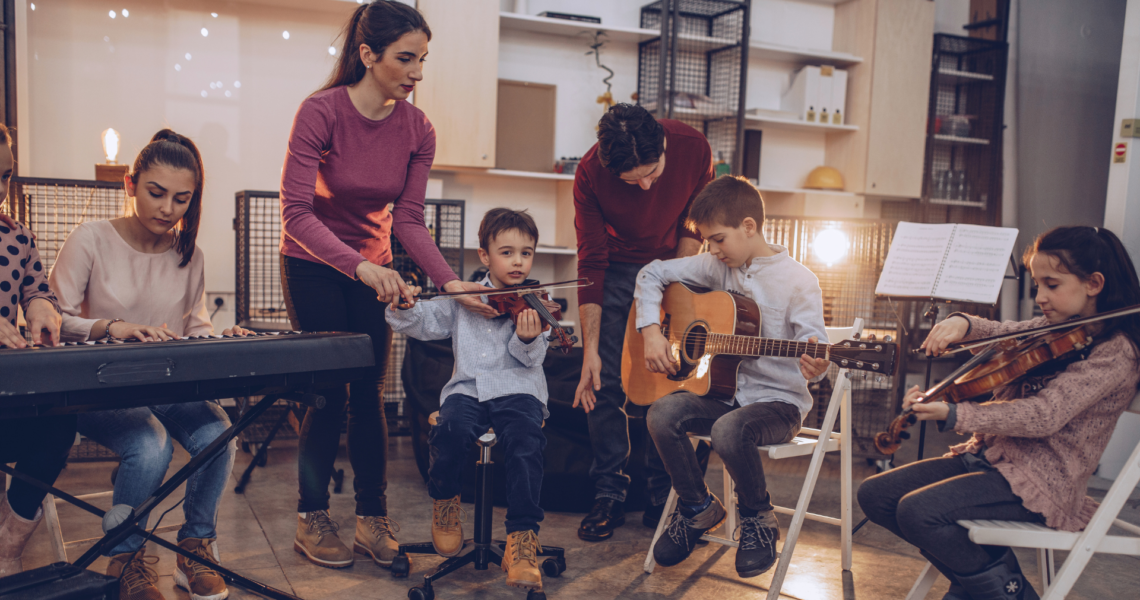
For those looking to explore the world of music, choosing an instrument can feel overwhelming. The easiest instruments to learn include the ukulele, keyboard, and recorder, making them great options for beginners. Each of these instruments offers simplicity in finger placement and sound production, allowing new players to quickly grasp the basics and start making music.
The ukulele, with its four strings and lightweight design, provides a gentle introduction to musical concepts. Keyboards, on the other hand, offer a visual representation of notes and scales, making it easier to understand melodies. The recorder, which relies on simple fingerings and breath control, rounds out the trio as a popular choice for young musicians.
Learning an instrument should be an enjoyable experience. With any of these three options, aspiring musicians can build confidence and develop their skills without becoming discouraged by complexity.
Criteria for Easy-to-Learn Instruments
Certain attributes can help identify which instruments are easier for beginners to pick up. Evaluating these criteria can guide choices for those starting their musical journey.
Physical Demands
The physical demands of an instrument can significantly impact its learnability. Instruments that require minimal finger strength and dexterity often appeal to new players. For example, ukuleles and keyboards have lighter actions compared to guitars or wind instruments.
Additionally, the weight and size of the instrument affects comfort. Instruments that are lightweight and portable, like harmonicas, typically allow for more frequent practice sessions. This accessibility encourages consistent play, making the learning process smoother.
Learning Curve
The learning curve represents the time and effort required to reach proficiency. Instruments with straightforward basic techniques are often preferred by beginners. For instance, simple chord progressions on a ukulele can be mastered quickly.
In contrast, instruments requiring extensive theory knowledge or advanced techniques, like the violin or piano, may pose challenges. The availability of structured lessons can ease this process, as method books or online tutorials provide clear guidance.
Accessibility of Resources
The availability of resources plays a crucial role in learning an instrument. Instruments that have abundant tutorials, books, and online communities encourage engagement. Resources for ukulele or guitar players are plentiful and easily accessible.
Furthermore, having local music instructors or groups that focus on beginner-level classes can drastically enhance learning opportunities. The ease of accessing instruments, lesson materials, and forums creates a supportive environment. This support aids learners in overcoming challenges and celebrating progress.
Top Easy-to-Learn Instruments
Certain musical instruments are recognized for their accessibility and ease of learning, particularly for beginners. This section discusses three instruments that are practical choices for those looking to start their musical journey.
Ukulele
The ukulele is a string instrument known for its lightweight and portable design. It typically has four nylon or gut strings, making it relatively easy on the fingers.
Chords on the ukulele are simple to grasp, allowing beginners to play songs quickly. Many popular songs can be played with just a few basic chords, encouraging learners to practice and perform sooner.
Its cheerful sound and vibrant cultural associations make the ukulele appealing. Resources such as online tutorials and community support enhance the learning experience.
Piano/Keyboard
The piano is one of the most versatile instruments available. With a clear layout of keys, beginners can easily visualize musical concepts like scales and chords.
Learning basic melodies and chords can be accomplished in a short time. Many instructional resources, including apps and online courses, cater specifically to beginners.
The ability to play both melody and harmony simultaneously is a unique aspect of the piano. This enriches the learning experience and helps develop a more comprehensive musical understanding.
Percussion Instruments
Percussion instruments, such as drums and tambourines, are often the most intuitive for new musicians. They focus on rhythm and can be played without the need for complex notes.
Many percussion instruments come with built-in learning systems or tutorials. This makes it easy for beginners to start playing along with familiar songs.
Playing percussion can also foster a sense of community, as it is commonly featured in group settings. The physicality of percussion offers an engaging way to connect with music.
Learning Methods and Techniques
Various approaches exist for learning an instrument, each with unique benefits. Choosing the right method can lead to a more enjoyable and effective musical journey.
Self-Guided Study
Self-guided study offers flexibility and personal control over the learning process. Individuals can select resources based on their preferences, such as books, instructional DVDs, or YouTube videos. Key benefits include:
- Personal Pace: Learners can progress at a speed that suits them.
- Resource Variety: Access to a wide range of materials caters to diverse learning styles.
- Cost-Effectiveness: Many online resources are free or low-cost, making it budget-friendly.
Setting specific goals and maintaining a structured practice schedule helps maximize this method’s effectiveness. Regular self-assessment and recording practice sessions can also enhance motivation and track progress.
Professional Instruction
Learning from a qualified instructor provides personalized guidance and accountability. Professional instruction typically includes the following:
- Tailored Lesson Plans: Instructors can customize courses based on the students’ abilities and goals.
- Immediate Feedback: Direct feedback aids in correcting mistakes and refining techniques.
- Structured Learning: A teacher can outline a comprehensive curriculum that builds skills progressively.
This method encourages discipline and commitment, fostering a deeper understanding of musical concepts. Consistent lessons create a routine that can boost a learner’s confidence and performance.
Online Learning Platforms
Online learning platforms have transformed music education, enabling flexibility and accessibility. These platforms often feature:
- Interactive Courses: Many platforms offer gamified learning experiences that engage students.
- Video Tutorials: High-quality instructional videos cover various topics and skill levels.
- Community Support: Many online courses include forums or groups for learners to share experiences and challenges.
Platforms like Fender Play, Yousician, and Udemy provide structured programs for different instruments. They allow users to learn on their own terms, fitting lessons into busy schedules while still receiving valuable instruction.
Benefits of Playing an Instrument
Playing an instrument offers numerous benefits that can enhance physical, mental, and emotional well-being.
- Cognitive Development:
Learning an instrument can improve memory, attention, and problem-solving skills. It engages multiple brain areas, leading to better overall cognitive function. - Physical Skills:
Playing an instrument helps develop fine motor skills and hand-eye coordination. It requires precise movements, which can enhance dexterity over time. - Emotional Expression:
Music serves as an outlet for emotions. Playing an instrument can help individuals express feelings in a constructive way, leading to improved emotional health. - Social Opportunities:
Joining groups or bands fosters social connections. Playing music with others encourages teamwork and builds friendships through shared interests. - Stress Relief:
Engaging in music can lower stress levels. Playing an instrument allows for relaxation and can serve as a break from daily pressures. - Discipline and Patience:
Learning an instrument requires consistent practice. This commitment helps develop discipline and patience, qualities valuable in many life areas. - Boosted Confidence:
Mastering an instrument enhances self-esteem. Achieving musical milestones can lead to feelings of accomplishment and pride.
In summary, the journey of learning to play an instrument enriches life in various ways. Its benefits extend beyond music, positively impacting many aspects of a person’s life.