
For decades, the path to a music career ran through gatekeepers — record labels, radio programmers, and physical distribution networks that most independent artists could never access. Then digital streaming arrived and quietly dismantled much of that infrastructure. Whether that dismantling has been a liberation or a new kind of trap depends heavily on who you ask, and where they are in their career.
The streaming era has now been underway long enough to examine with some real clarity. Platforms like Spotify, Apple Music, Tidal, and Amazon Music have fundamentally altered how music is discovered, consumed, and monetized. For independent musicians — those operating without the backing of a major label — the changes have been both genuinely empowering and quietly devastating, often at the same time.
The Democratization of Music Distribution
Before streaming, getting your music in front of listeners required physical production runs, distribution deals, and retail relationships. A CD sitting in a store required upfront costs that many independent artists simply couldn’t absorb. Digital distribution changed that equation dramatically.
Today, an independent artist can upload an album to every major streaming platform in the world through services like DistroKid, TuneCore, or CD Baby for less than $50 a year. That same album becomes available in over 180 countries within days. The barrier to entry, at least for distribution, has essentially collapsed.
This is genuinely significant. Artists who previously would have been completely invisible to the global market now have a theoretical presence everywhere. Genres that major labels historically ignored — from hyper-local folk traditions to experimental electronic music — have found audiences that simply couldn’t have formed under the old model.
Discovery Has Changed, But It’s Not Equal
Streaming platforms don’t just distribute music — they algorithmically curate it. Spotify’s Discover Weekly, Apple Music’s For You playlists, and similar features have become powerful discovery engines that can introduce an artist to thousands of new listeners without any promotional spending.
The problem is that algorithmic discovery tends to favor artists who already have some traction. A brand-new artist with no streaming history is largely invisible to the algorithm because there’s no behavioral data to work with. The platforms amplify existing momentum rather than create it from scratch, which means the first few hundred listeners are often still the hardest to find.
Playlist placement has become the new radio. Getting onto a prominent editorial playlist — curated by Spotify’s or Apple’s in-house teams — can send streams into the hundreds of thousands overnight. But access to those playlists is competitive, often opaque, and widely believed to favor artists with label relationships, even if the platforms officially deny it.
The Revenue Reality for Independent Artists
Here’s where the conversation gets complicated, and often frustrating. Streaming has created more access while simultaneously generating far less revenue per listener than any previous format.
Spotify pays rights holders between $0.003 and $0.005 per stream on average. Apple Music pays slightly more — typically around $0.007 to $0.01 per stream. These figures vary based on listener geography, subscription type, and the specific royalty agreements in place. But even at the more generous end, the math is sobering: an independent artist needs roughly 200,000 streams per month just to earn the equivalent of a U.S. federal minimum wage.
For context, the average independent album release on Spotify generates fewer than 1,000 total streams. The vast majority of music uploaded to streaming platforms earns almost nothing in direct streaming revenue.
Why Streaming Revenue Is Structured the Way It Is
Streaming platforms operate on what’s called a pro-rata royalty model. Total subscription revenue is pooled, and royalties are distributed based on each artist’s share of total streams across the entire platform. This means that the money a Taylor Swift fan pays for their subscription doesn’t go to Taylor Swift — it goes into the pool and gets distributed proportionally based on who got the most streams.
Many independent artists and music industry advocates have argued for a user-centric payment model, where the money each subscriber pays goes directly to the artists they actually listen to. Some smaller platforms, like Deezer in France, have experimented with this approach. The shift would significantly benefit independent artists with dedicated but smaller fan bases, and reduce the disproportionate benefit that streaming’s economics currently hand to mainstream superstars.
As of now, however, the major platforms have not adopted user-centric models at scale, and the structural revenue gap between mainstream and independent artists remains wide.
How Independent Musicians Have Adapted
Rather than waiting for streaming economics to improve, many independent artists have rebuilt their businesses around the platforms’ limitations. The smartest approaches treat streaming as a discovery and branding tool rather than a primary revenue source.
Direct-to-Fan Revenue Models
Platforms like Bandcamp allow artists to sell music directly to fans at prices they set, keeping the vast majority of the revenue. Patreon has enabled musicians to build subscription relationships with their most dedicated listeners, offering exclusive content, early access, and behind-the-scenes material in exchange for monthly support.
Merchandise, live performances, sync licensing (placing music in film, television, and advertising), and even teaching have become essential income streams for independent artists who’ve accepted that streaming alone can’t sustain a career. The most financially stable independent musicians today typically have four or five revenue streams working simultaneously.
The Role of Social Media in Streaming Growth
TikTok has arguably become as influential as any streaming platform for breaking new music. A 15-second clip going viral can translate directly into hundreds of thousands of streams, and several independent artists have broken through to mainstream awareness entirely through social video content without label support.
The challenge is that building a social media presence is itself a full-time job, and many musicians report feeling pressured to become content creators first and musicians second. The skills required to make compelling short-form video content are genuinely different from musical skills, and not every artist can or wants to develop them. Artists who are still finding their footing should also be aware of the pitfalls early in their careers that can make this already difficult landscape even harder to navigate.
Streaming’s Impact on How Music Gets Made
The economics and mechanics of streaming haven’t just changed how independent artists distribute their music — they’ve influenced what gets created in the first place.
Research and industry observation have noted a trend toward shorter songs in the streaming era. Spotify historically didn’t count a stream unless a listener had been playing a track for at least 30 seconds, creating an incentive to front-load songs with their hooks. Album intros, lengthy instrumental passages, and slow-burn song structures that were common in earlier eras became economic liabilities.
Singles have largely replaced albums as the primary release unit for many independent artists. Releasing music frequently — one single every four to six weeks — keeps algorithmic feeds active and maintains listener engagement in a way that a once-a-year album cycle no longer does. This shift has significant implications for artistic development and the kind of music that gets made and released.
The Long Tail and Catalog Value
One genuinely positive development for independent musicians is the renewed value of back catalog. On streaming platforms, older music remains perpetually discoverable and continues to generate royalties indefinitely. An independent artist who has been releasing music for ten years can accumulate a catalog that earns a modest but consistent income across hundreds or thousands of tracks.
This is structurally different from the physical era, where older releases quickly disappeared from retail and stopped generating income. The long tail effect means that depth of catalog has become a real asset for independent artists who’ve been consistently creating over time. Understanding how music has evolved across different eras can also offer useful perspective on how artists have always had to adapt to shifting distribution and consumption models.
What Streaming Has and Hasn’t Solved
It’s worth being clear about what the streaming era has genuinely improved for independent musicians, and where the problems remain unsolved.
- Global reach: Independent artists can now reach listeners anywhere in the world without distribution infrastructure. This is a real and meaningful change.
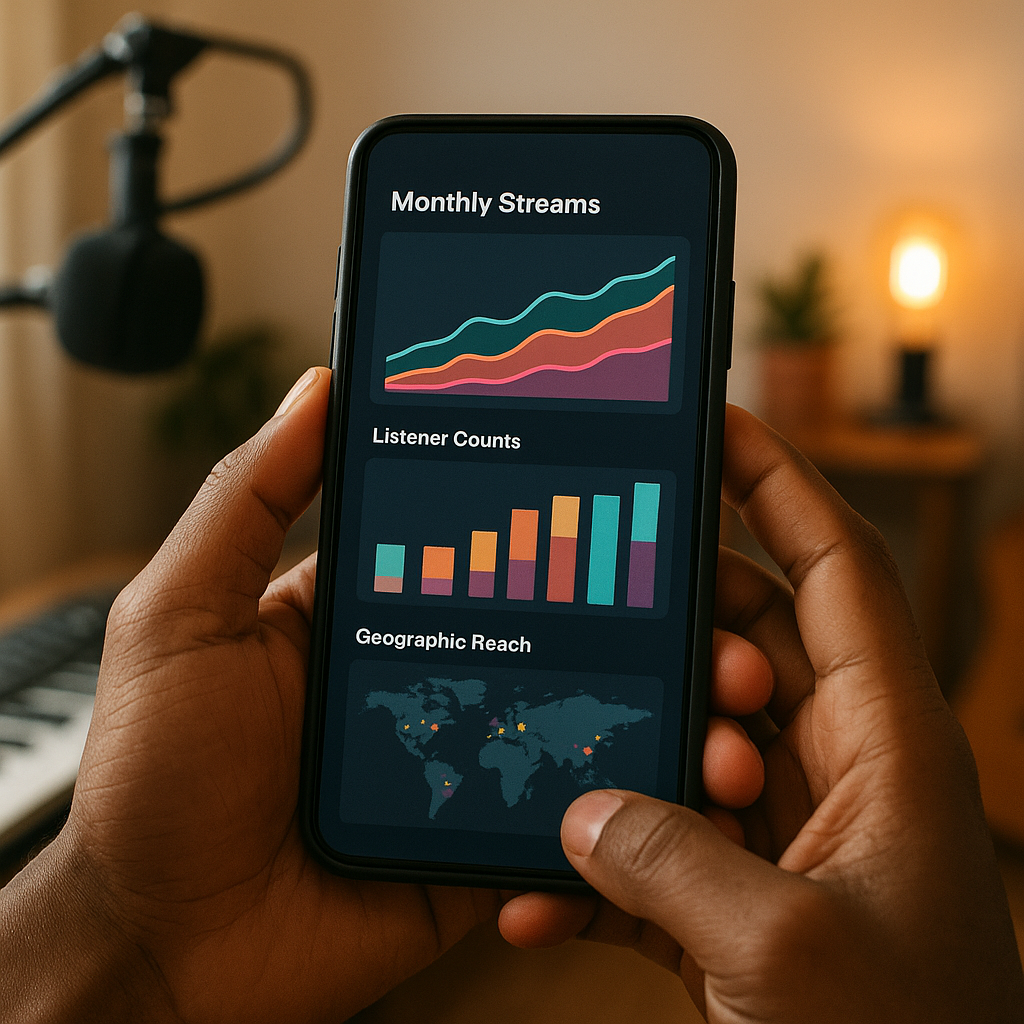
- Data and analytics: Artists have access to detailed listener data — geographic location, demographic information, engagement patterns — that was previously unavailable or expensive. This enables smarter touring decisions, targeted marketing, and better understanding of where fan bases are forming.
- Lower barrier to entry: The cost of getting music onto streaming platforms is genuinely low, removing a significant historical obstacle.
- Revenue per stream: Still far too low for most independent artists to sustain themselves from streaming income alone.
- Algorithmic visibility: New artists without existing audiences continue to struggle for discovery.
- Playlist access: Editorial playlist placement remains difficult and opaque, with concerns about the influence of label relationships.
- Mental health and sustainability: The pressure to produce content constantly, engage with social platforms relentlessly, and manage a music career as a multi-faceted business operation has taken a documented toll on independent artists.
The Ongoing Conversation About Fair Pay
The question of whether streaming platforms pay artists fairly is one of the most actively debated topics in the music industry. High-profile campaigns like the #BrokenRecord movement in the UK have pushed for legislative review of streaming royalties, and several governments have launched formal inquiries into the economics of the streaming model.
In 2023, Spotify introduced a policy requiring tracks to accumulate at least 1,000 streams before they become eligible for royalty payments — a move that drew sharp criticism from independent artist advocates who argued it effectively eliminated earnings for a huge portion of the platform’s catalog.
The conversation is ongoing, and the outcome will significantly shape whether the streaming model ultimately evolves into something more sustainable for independent creators or continues in its current form.
Looking at the Full Picture
Digital streaming has genuinely reshaped the life of the independent musician — just not in the straightforward positive direction that was often promised. Access has improved dramatically. Revenue per listener has declined just as dramatically. The tools available to independent artists are better than they’ve ever been, but the economic and attention landscape they’re navigating has also become more competitive and algorithmically complex than ever before.
The independent artists who have found ways to thrive in the streaming era tend to share a few characteristics: they’ve diversified their income streams, they treat streaming as one channel among many rather than a primary revenue source, they’ve built direct relationships with their audiences, and they’ve been consistent over time. None of that is a guarantee of success, but it reflects a clearer understanding of what streaming can and can’t provide.
The model will continue to evolve. Royalty structures, platform policies, and listener behavior are all still in motion. For independent musicians, staying informed about those changes — and building careers that aren’t entirely dependent on any single platform — remains one of the most important strategies available.